Spring skies over Frisco and McKinney can turn dark fast, and hailstorms don’t give much warning. Homeowners across Collin and Denton County know the sound of ice pounding against windows all too well. If your current glass has already taken a beating, storm season is not something you can afford to ignore.
Impact-resistant residential glass is one of the most effective upgrades North Texas homeowners can make to protect their homes from severe weather. It is engineered to withstand high winds, hail impact, and flying debris, while also improving energy efficiency and security. In areas like Plano, Southlake, and Prosper, where storms are frequent and intense, this type of glass offers year-round protection and long-term value.
What North Texas Homeowners Should Know Before Storm Season
Impact-resistant glass is designed to handle hail and wind events common across North Texas suburbs like Frisco and McKinney.
Homes in Collin and Denton County face repeated storm cycles, which can weaken standard windows over time.
Upgrading to reinforced glass can reduce energy loss during hot Texas summers, especially in sun-exposed homes in Plano and Carrollton.
This type of glass also adds a layer of protection against forced entry, making it a smart security upgrade.
Storm damage repairs in areas like Southlake can be costly, making prevention a more reliable long-term investment.
Why Storm Season Hits North Texas Homes Hard
Storm season in North Texas brings a mix of high winds, large hail, and occasional tornado activity. Neighborhoods in Frisco, Prosper, and McKinney often see rapid development, which means newer homes may still be settling while facing extreme weather conditions.
Clay-heavy soil across Collin County can shift during heavy rains, putting additional stress on window frames. Combined with intense UV exposure and summer heat, standard residential glass tends to weaken faster in this region than in milder climates.
At Reflection Glass LLC, we’ve seen how quickly a single storm can turn minor vulnerabilities into major damage. That’s why preparation matters before storm season begins.
Impact-resistant residential glass in Carrollton TX is specifically designed to handle these regional conditions, offering durability that standard windows simply cannot match.
Homes across Plano, Southlake, and surrounding suburbs often feature large windows for natural light, but those same windows become weak points during severe weather. Upgrading them changes how your home performs during storms.
Local homeowners benefit most from upgrades that account for both weather and energy demands in North Texas.
Hailstorms frequently occur between March and June, according to the National Weather Service.
Rapid temperature swings can stress window seals and glass integrity.
Expanding suburban developments increase exposure to wind corridors.
Energy demand spikes during summer heatwaves, making efficient windows more important.
Local Realities Homeowners Should Not Ignore
Many homes in Frisco and Prosper have large, modern window designs that are more exposed to hail impact.
Southlake properties often feature higher-end glass installations, making damage repairs more expensive.
Older homes in Carrollton may still have original windows that are not built for current storm intensity levels.
Insurance claims for hail damage are common across North Texas, especially after spring storms.
Energy costs in the region continue to rise due to prolonged heat waves and high AC usage.
North Texas consistently ranks among the most hail-prone regions in the United States. According to the National Weather Service, the Dallas-Fort Worth area experiences frequent severe thunderstorms capable of producing large hail and damaging winds each year.
Cities like Plano and McKinney often see repeated storm patterns within a single season. These conditions increase the likelihood of cumulative damage, even if each individual storm seems minor.
How Storm Damage Impacts Homes Across Collin and Denton County
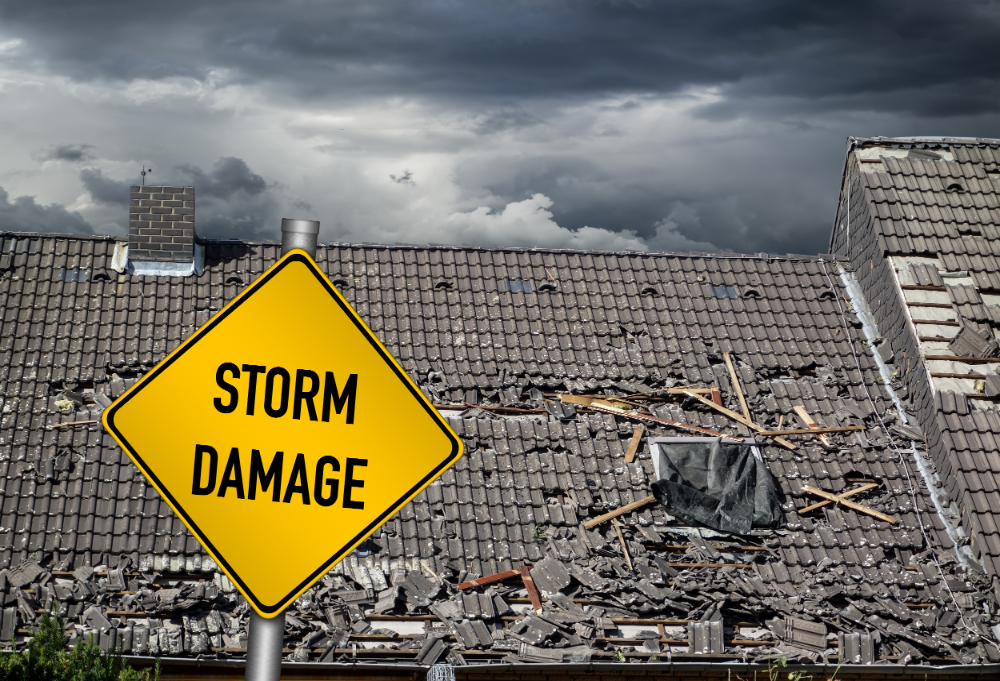
Storm damage in North Texas often starts small but escalates quickly. A minor crack from hail can weaken the entire pane, making it more vulnerable during the next storm.
In neighborhoods like Frisco and Prosper, where homes are closely spaced, wind-driven debris can travel farther and strike windows with greater force. This not only risks glass breakage but also interior damage from water intrusion.
What We See in the Field Across North Texas
We often find that homeowners underestimate how much stress their windows have already endured. Even if there is no visible crack, repeated hail impact can weaken the structure of standard glass.
Many homeowners also assume their current windows are strong enough, especially in newer builds. In reality, most standard residential glass is not designed for the intensity of North Texas storms.
Signs Your Windows May Not Be Storm-Ready
Windows that are not storm-ready often show early warning signs before failure. These signs include visible chips, small cracks, or loose window seals that allow air or moisture to enter.
Other indicators include increased indoor temperatures near windows, rising energy bills, and noticeable drafts during windy conditions. Homes across Plano and Carrollton commonly experience these issues after repeated seasonal storms.
Ignoring these signs can lead to complete window failure during a major weather event, resulting in costly repairs and potential interior damage.
When It Makes Sense to Upgrade Your Glass
You should consider upgrading to impact-resistant glass when your current windows show signs of wear or after experiencing repeated storm damage. If your home is located in a high-exposure area like Southlake or Frisco, proactive upgrades are especially important.
While minor maintenance can address small issues, structural weaknesses in standard glass require a more durable solution. North Texas weather conditions make waiting a risky choice.
Window damage in North Texas is primarily caused by hail impact, high winds, and debris during storms. Hail is the most common factor, especially in areas like McKinney and Prosper where large stones are frequent.
Secondary causes include prolonged sun exposure, which weakens glass over time, and shifting foundations due to clay soil movement. These factors combine to make standard windows more vulnerable than many homeowners realize.
How to Prevent Storm Damage Before It Starts
Preventing storm damage starts with upgrading vulnerable components of your home, especially windows. Installing impact-resistant glass is one of the most effective steps you can take.
Regular inspections before storm season, sealing gaps, and addressing minor damage early can also help. However, once glass integrity is compromised, replacement becomes the safest option.
What You Can Expect After Upgrading
Upgrading to impact-resistant glass improves your home’s ability to withstand severe weather, reduces energy loss, and enhances overall security. Many homeowners notice more stable indoor temperatures and lower cooling costs during the summer.
You can also expect fewer repairs after storms and greater peace of mind during severe weather alerts.
Expert Insight: In North Texas, most window failures we see could have been prevented with earlier upgrades. Storm patterns in this region reward preparation, not reaction.
Common Mistakes Homeowners Make Before Storm Season
One common mistake is assuming newer windows are automatically storm-resistant. Another is delaying repairs after minor damage, which allows problems to worsen.
Some homeowners also rely on temporary fixes instead of investing in long-term solutions, which often leads to higher costs over time.
A Common North Texas Scenario
A typical scenario involves a homeowner in Frisco who experiences minor hail damage one season. The damage goes unnoticed until the next storm, when the weakened glass cracks completely, allowing water inside.
Upgrading to impact-resistant glass after the first incident would have prevented the second, more costly repair.
How Our Services Help Protect Your Home
Impact-resistant glass installation is the most effective solution for preventing storm-related window damage in North Texas. We also provide North Texas storm window repair services and full replacements tailored to local conditions.
Whether you need Frisco home window upgrades or hail-resistant glass replacement in Southlake, we help homeowners choose solutions that match their property and exposure level.
Comparing Standard Glass vs Impact-Resistant Glass
Standard glass is more affordable upfront but offers limited protection against storms. Impact-resistant glass costs more initially but provides long-term savings through reduced damage, lower energy bills, and increased security.
For homes in high-risk areas like Plano and McKinney, the added durability often outweighs the initial investment.
Serving North Texas Communities
We proudly serve homeowners across Frisco, Plano, McKinney, Southlake, Carrollton, and Prosper. Our team understands the unique challenges of North Texas weather and provides solutions tailored to local homes and conditions.
The Real Cost of Waiting
Delaying upgrades can lead to repeated repairs, higher energy bills, and potential interior damage during storms. What starts as a small issue can quickly turn into a major expense after one severe weather event.
What is impact-resistant residential glass in Carrollton TX?
Impact-resistant residential glass in Carrollton TX is specially designed glass that can withstand hail, wind, and debris without shattering. It uses layered construction to maintain structural integrity even when struck.
Do I need storm window repair in North Texas every year?
Storm window repair in North Texas depends on storm severity, but many homes require inspections annually due to frequent hail and wind events.
Are Frisco home window upgrades worth it?
Frisco home window upgrades are worth it because they improve energy efficiency, increase home value, and reduce storm-related damage risks.
How does hail-resistant glass replacement in Southlake help?
Hail-resistant glass replacement in Southlake helps protect homes from costly storm damage while also improving insulation and security.
Can impact-resistant glass lower energy bills?
Yes, impact-resistant glass improves insulation, which helps reduce cooling costs during hot North Texas summers.
How long does installation take?
Installation timelines vary, but most residential upgrades can be completed within a few days depending on the size of the project.
Is this glass only for storm protection?
No, it also improves home security and energy efficiency, making it a multi-purpose investment.
Closing Thoughts
North Texas homeowners face some of the most unpredictable storm conditions in the country. Preparing your home before the next storm hits can make all the difference in protecting your investment.
If you have been thinking about upgrading your home with stylish privacy solutions, textured glass is one of the most versatile and visually striking choices available today. Whether you are renovating a bathroom, updating your entryway, or dividing an open floor plan, textured glass delivers both function and beauty. Homeowners across North Texas and beyond are discovering how the right glass treatment can completely transform a space.
From reeded glass shower doors to privacy glass for front doors, 2026 is shaping up to be a landmark year for decorative glass design.
The Rise of Fluted and Reeded Glass in Modern Homes
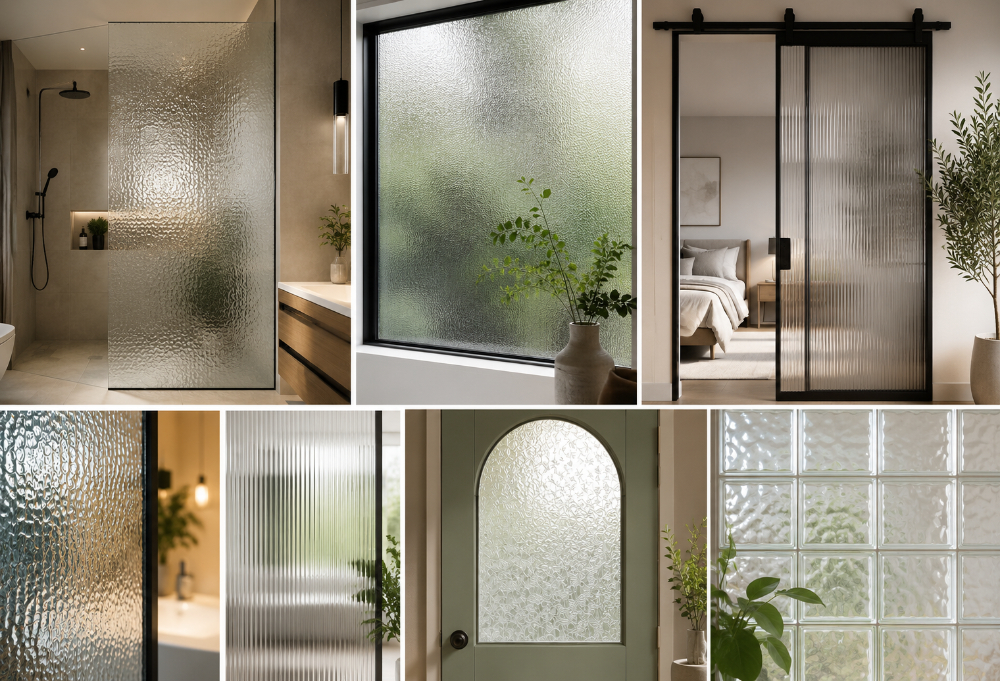
Fluted glass trends have been building momentum for several years, and in 2026, they show absolutely no signs of slowing down. Fluted glass, which features a series of vertical ridges running across its surface, creates a soft, diffused light effect while obscuring the view from one side to the other. This makes it ideal for interior doors, cabinet inserts, room dividers, and shower enclosures.
Reeded glass shower doors in particular have become a go-to upgrade for bathroom renovations. Unlike frosted glass, which can feel clinical or dated, reeded glass brings a warm, architectural character to the space. The ridges catch light in a way that feels both dynamic and elegant. Many homeowners are pairing reeded glass with matte black or brushed gold hardware to create a spa-like aesthetic that feels current and intentional.
Glass installers across North Texas report that requests for reeded and fluted patterns have increased dramatically year over year. The pattern works beautifully in both contemporary and transitional interiors, which is a big part of why it has captured such a wide audience.
Textured Glass for Bathrooms: Beauty Meets Function
When it comes to textured glass for bathrooms, the design possibilities go well beyond the shower door. Textured glass can be used for bathroom windows, allowing natural light to filter into the space without sacrificing privacy. This is particularly valuable for ground-floor bathrooms or those facing neighboring properties.
Some of the most popular texture options for bathrooms in 2026 include rain glass, which mimics the look of water streaming down a surface, as well as frosted patterns, hammered glass, and the ever-popular reeded style. Each of these textures offers a different level of opacity, so homeowners can choose how much visibility they want to allow.
Textured glass for bathrooms also offers a practical advantage in terms of maintenance. Many modern textured glass products come with protective coatings that resist water spots, soap scum, and mineral deposits. This means you can enjoy a beautiful glass surface without spending extra time scrubbing. For busy households in Carrollton and surrounding areas, that kind of low-maintenance elegance is a serious selling point.
Beyond windows and shower doors, textured glass is being used in bathroom vanity mirrors with textured frames, light fixture covers, and even decorative panels built into cabinetry. The result is a cohesive, layered look that feels polished and intentional throughout the entire room.
Privacy Glass for Front Doors and Entryways
Your front door is the first thing guests see when they arrive, and privacy glass for front doors has become one of the most requested upgrades among homeowners focused on curb appeal and security. In 2026, the options available to homeowners are more refined and stylish than ever before.
Privacy glass for front doors typically falls into a few categories. Frosted glass panels are a classic choice, offering complete opacity while still allowing light to pass through. Decorative etched glass adds a custom artistic element, often incorporating geometric or floral patterns that enhance the overall style of the home. Textured glass panels in patterns like reeded, hammered, or obscure are also popular, striking a balance between aesthetics and privacy.
One of the key advantages of using privacy glass in an entryway is security. A solid or heavily obscured glass panel makes it difficult for anyone outside to see movement or valuables inside the home. At the same time, it maintains a welcoming, open feel that a fully solid door cannot replicate.
Homeowners in Carrollton and across North Texas have embraced privacy glass for front doors as a way to elevate their home’s exterior without a full renovation. Working with experienced glass installers ensures that the panels are properly sealed, fitted, and finished to withstand the Texas heat and humidity year-round.
Custom Glass Partitions for Open Floor Plans
Open floor plans have dominated residential design for years, but homeowners are increasingly looking for ways to create defined zones within those expansive layouts. Custom glass partitions offer an elegant solution that preserves the sense of openness while carving out distinct functional areas.
In 2026, custom glass partitions are being used to separate home offices from living spaces, create breakfast nooks, define dining areas, and even serve as decorative feature walls. The beauty of a custom partition is that it can be designed to match the exact dimensions and style requirements of your space. Textured glass options, including fluted, frosted, and reeded varieties, are especially popular for partitions because they provide a degree of privacy without fully closing off the space.
For homeowners in North Texas, where large open-plan homes are common, custom glass partitions offer a practical way to add structure and purpose to a room. They are also a smart investment. A well-designed custom glass partition adds visual interest, architectural definition, and real estate value to any home.
Working with skilled glass installers is essential when it comes to custom partitions. Proper framing, anchoring, and sealing are critical to ensuring the partition is safe, stable, and visually seamless. The best installers will work with you from the design phase through final installation, ensuring the finished product meets your vision and your home’s structural requirements.
How to Choose the Right Textured Glass for Your Home in 2026
With so many options available, choosing the right textured glass for your project can feel overwhelming. The key is to start by thinking about the specific purpose of the glass, whether it is privacy, light diffusion, decoration, or a combination of all three.
Consider the overall aesthetic of your home. Reeded and fluted glass tend to complement modern, Scandinavian-inspired, and transitional interiors. Hammered or antique glass works well in traditional or rustic settings. Rain glass is a natural fit for bathrooms and wet areas. Frosted or etched glass is incredibly versatile and can work in nearly any style of home.
Next, think about the level of privacy you need. Some textures, like light frosted glass, offer only partial obscuring, while heavily reeded or patterned glass blocks visibility almost entirely. Your glass installer can show you samples and help you understand exactly what each option will look like in your space before you commit.
Budget is another consideration. Custom glass partitions and specialty-textured panels tend to cost more than standard frosted options, but the investment pays off in both appearance and functionality. Many glass installers in Carrollton and throughout North Texas offer consultations that help homeowners find the right balance between quality and cost.
Finally, ask about maintenance requirements and protective coatings. In 2026, most high-quality textured glass products are available with treatments that extend their lifespan and reduce cleaning time.
Conclusion
Textured glass is one of the most exciting and practical design choices available to homeowners in 2026. From reeded glass shower doors and textured glass for bathrooms to privacy glass for front doors and custom glass partitions, the options are broader and more beautiful than ever. Fluted glass trends continue to shape modern interiors, and working with reputable glass installers in North Texas ensures your project is handled with precision and care. Whether you are updating a single room or reimagining your entire home, the right textured glass can make all the difference.
Need a Glass Company in Texas?
Reflection Glass is a premier glass company specializing in residential and commercial glass solutions. We offer an extensive range of services to enhance the beauty and functionality of any space. For residential projects, we provide high-quality shower doors in various styles and finishes, along with door collections that elevate the aesthetics of homes. Our glass hardware options perfectly complement your design choices, ensuring seamless integration. With customizable shower door glass, we bring luxury and personalization to your bathroom. In addition, we cater to commercial properties with interior glass solutions for partitions and dividers, as well as exterior glass needs, including storefront windows and glass facades. Contact us today to learn more about what we can do for you!
Double-pane windows are one of the smartest investments a homeowner can make. They keep your home insulated, reduce outside noise, and help lower your energy bills. But like any part of your home, they do not last forever. Over time, the seal that holds the insulating gas between the two panes of glass can break down, and when that happens, the window stops doing its job. Knowing the broken window seal symptoms early can save you from bigger problems down the road, including sky-high energy costs and permanent glass damage.
1. Foggy or Cloudy Glass That Won’t Clear Up
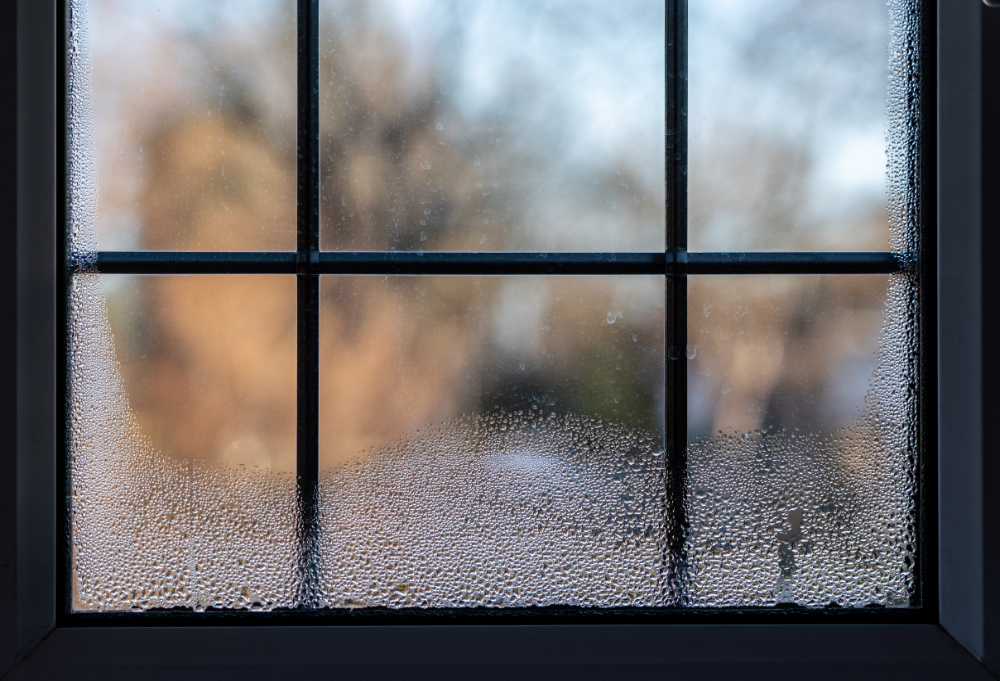
The most obvious and common sign of a failed window seal is condensation or fogginess that appears between the glass panes. This is not the same as normal condensation that forms on the outside of a cold window on a humid morning. When moisture between glass panes becomes a recurring or permanent issue, it means the airtight seal has been compromised.
Double-pane windows, also known as insulated glass units (IGUs), are manufactured with a layer of argon or krypton gas sealed between two panes. This gas acts as a thermal barrier. When the seal fails, outside air and humidity infiltrate that space, and because you cannot wipe the inside surfaces, the fogginess just sits there. It may come and go at first depending on temperature and humidity levels, but eventually it becomes a constant problem.
If you have been searching for foggy window repair options in your area, this is almost certainly the culprit. Do not ignore it. The longer you wait, the more the moisture can etch or stain the inner glass surfaces, which means simple resealing may no longer be enough and full IGU glass replacement becomes necessary.
2. Visible Condensation or Water Droplets Between the Panes
Fogginess is one thing, but some homeowners actually notice water droplets or streaking inside the glass unit. This is a more advanced stage of seal failure and a clear indicator that a significant amount of moisture has entered the space between the panes.
This internal condensation is particularly common in regions with dramatic temperature swings. The glass expands and contracts with the heat and cold, and over many years, this movement gradually weakens the seal around the perimeter of the window. Once that barrier is compromised, every humid day pumps a little more moisture into the unit.
At this stage, the broken window seal symptoms are hard to miss. You may notice that the glass looks wet or that water has pooled along the bottom edge of the interior space. Unfortunately, this level of moisture intrusion almost always means the insulating gas has completely escaped, and the window is no longer performing any meaningful thermal work. Residential glass replacement is typically the most practical and cost-effective solution at this point.
3. Your Energy Bills Have Quietly Crept Up
Not all seal failures announce themselves visually right away. Sometimes the first clue is a gradual increase in your heating and cooling costs. If your HVAC system seems to be running longer than usual, or if certain rooms feel drafty or harder to keep at a comfortable temperature, your windows may be the problem.
When the insulating gas escapes from a double-pane unit, the window loses most of its thermal resistance. It essentially reverts to performing like a single-pane window, which offers very little barrier between your conditioned indoor air and the outdoor temperature. In climates with hot summers or cold winters, this makes a noticeable difference on your utility bill.
This is one of the trickier broken window seal symptoms to diagnose because the change happens gradually. Many homeowners attribute rising energy costs to their HVAC equipment getting older or to rate increases from their utility provider. But if multiple windows in your home are aging at the same rate, which is common in houses built during the same era, seal failure could be contributing significantly to your energy loss.
4. The Glass Looks Distorted or Has a Wavy Appearance
Another sign that often gets overlooked is visual distortion in the glass itself. When you look through a failed IGU, the view outside may appear slightly wavy, bent, or warped. This happens because the loss of the sealed gas layer changes the pressure dynamics between the two panes, causing them to flex inward or outward.
This bowing or warping is a physical symptom of the pressure imbalance inside the unit. In some cases, the panes may actually press together slightly in the middle or bow outward at the center. Either way, it is a structural sign that the sealed unit is no longer functioning as designed.
While distortion can sometimes be subtle, it is worth paying attention to if it shows up alongside other broken window seal symptoms. Even if the glass is not yet foggy, a warped appearance is a sign that the unit has likely lost its insulating gas and is on its way to full failure. At that point, IGU glass replacement is the most reliable fix rather than attempting a patch.
5. Dirt or Haze Buildup Between the Panes
Some homeowners notice what looks like a dirty film or haze building up on the interior surfaces of the glass. This is different from condensation. It appears as a gray or brownish smudge that cannot be cleaned from either side of the window because it is trapped inside the unit.
This film is usually the result of contaminants entering through the failed seal. Over time, dust, pollen, and other airborne particles find their way into the space and settle on the interior glass surfaces. Because the inside of the unit is completely inaccessible without disassembling it, there is no way to clean it.
This type of buildup is a clear sign that the window has been compromised for quite some time. If you are in the Carrollton area and you are noticing this kind of residue forming inside your windows, it is a strong indicator that residential glass replacement is overdue. Letting the problem continue will only result in more permanent staining and reduced visibility through the glass.
Conclusion
Recognizing the signs of a failed double-pane window seal early gives you options. Whether you are dealing with foggy window repair needs, moisture between glass panes, or rising energy costs you cannot explain, the answer often comes down to the integrity of your window seals. From visible condensation to subtle distortion and trapped dirt, these broken window seal symptoms all point to the same conclusion: the insulated unit is no longer doing its job.
For homeowners in Carrollton and surrounding areas, addressing these issues with professional residential glass replacement or IGU glass replacement is the smartest way to restore comfort, efficiency, and clarity to your home. The sooner you act, the more you protect your investment and keep your home performing at its best.
Need a Glass Company in Texas?
Reflection Glass is a premier glass company specializing in residential and commercial glass solutions. We offer an extensive range of services to enhance the beauty and functionality of any space. For residential projects, we provide high-quality shower doors in various styles and finishes, along with door collections that elevate the aesthetics of homes. Our glass hardware options perfectly complement your design choices, ensuring seamless integration. With customizable shower door glass, we bring luxury and personalization to your bathroom. In addition, we cater to commercial properties with interior glass solutions for partitions and dividers, as well as exterior glass needs, including storefront windows and glass facades. Contact us today to learn more about what we can do for you!
When it comes to replacing glass in your home, the choices can feel overwhelming. Two of the most common options homeowners encounter are tempered and laminated glass, and understanding the difference between them is essential before making any investment. Whether you are upgrading a patio door, a bathroom enclosure, or a large picture window, choosing the right type of safety glass can affect everything from your family’s protection to your energy bills.
This guide will walk you through the key differences, applications, and considerations so you can make a confident, informed decision.
What Is Tempered Glass and How Is It Made?
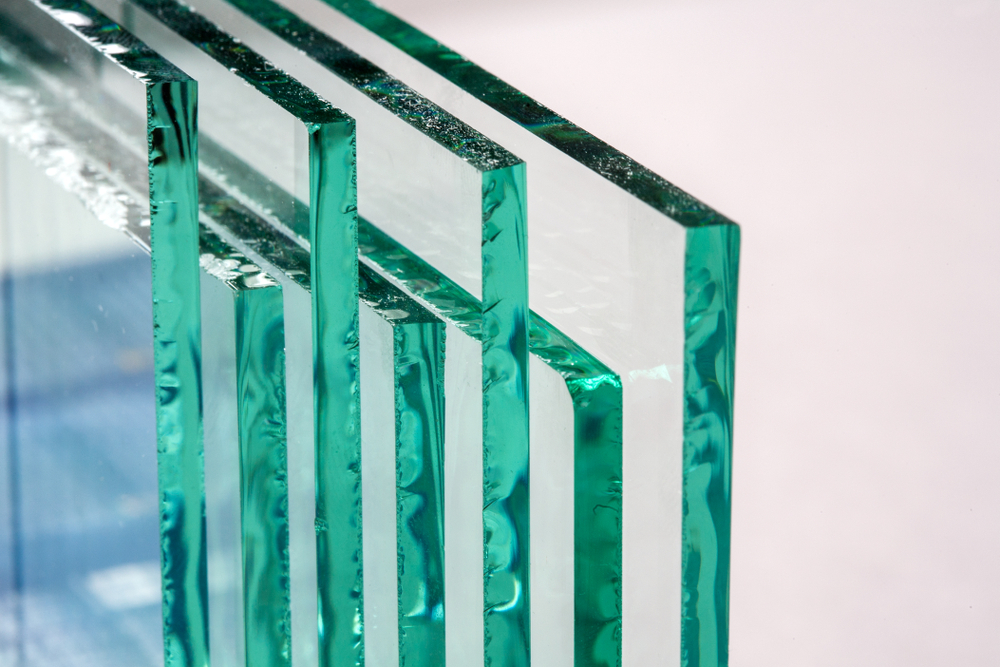
Tempered glass is produced through a process of extreme heating and rapid cooling, which dramatically increases its strength compared to standard annealed glass. The result is a product that is roughly four to five times stronger than ordinary glass of the same thickness. This manufacturing process also changes the way the glass behaves when it breaks. Instead of shattering into large, jagged shards that can cause serious lacerations, tempered glass crumbles into small, relatively blunt pebbles. This characteristic is precisely why it is classified as a safety glass for doors, shower enclosures, and other high-traffic areas in residential settings.
Because of its strength and breakage pattern, tempered glass has become a standard requirement in many parts of the home. Building codes in the United States typically mandate its use in shower and tub enclosures, glass near staircases, sidelights around entry doors, and any glazing installed close to floor level. Homeowners replacing glass in these locations will almost always find that tempered glass is not just a good choice, it is a required one under residential glass safety standards.
One important limitation to understand is that tempered glass cannot be cut or drilled after it has been processed. Any customization, such as size adjustments or hole placement for hardware, must be completed before the tempering process begins. This means accurate measurements and planning are critical before ordering.
What Is Laminated Glass and How Does It Differ?
Laminated glass takes a fundamentally different approach to safety. Rather than relying on a thermal treatment to change the physical structure of the glass itself, laminated glass sandwiches one or more layers of a flexible plastic interlayer, typically polyvinyl butyral (PVB), between two or more panes of glass. When the glass is struck and breaks, the interlayer holds the broken pieces in place, preventing them from falling or flying outward.
This “holds together” quality gives laminated glass a distinct advantage in certain applications. It is the same technology used in automotive windshields, and it provides meaningful resistance against forced entry, severe weather, and even sound transmission. Because the broken pieces remain bonded to the plastic layer, an intruder would have to work significantly harder to create an opening, making laminated glass a popular choice for ground-floor windows, skylights, and any glazing in high-risk security areas.
In the context of tempered glass vs laminated glass, the two products solve different problems. Tempered glass is designed to break safely when the force threshold is exceeded. Laminated glass is designed to stay intact and hold together even after breaking. Both are legitimate forms of safety glass, but the right choice depends heavily on what threat or concern you are addressing.
Which Applications Call for Tempered Glass in Your Home?
Tempered glass is the go-to option for interior applications where the primary concern is accidental human impact. Glass shower doors, glass interior railings, glass tabletops, and frameless glass partitions all benefit from tempered glass because the risk of someone falling into or bumping the surface is relatively high. If a breakage does occur, the small, rounded fragments significantly reduce the risk of a serious cut or puncture wound.
Entry door sidelights and glass panels within 24 inches of a door opening are another primary application. These areas are prone to accidental contact, especially when someone reaches for a door handle or stumbles near the entrance. Residential glass safety standards, as outlined in the International Residential Code (IRC), specifically address these zones and require safety glazing materials, which includes both tempered and laminated options depending on the context.
Glass doors leading to patios and backyards, including sliding glass doors, are almost universally glazed with tempered glass. The combination of heavy foot traffic, children playing nearby, and the potential for someone to walk directly into the glass panel makes tempered glass the sensible standard. For homeowners in Palm Springs and similar desert communities, where indoor-outdoor living is central to the lifestyle, well-chosen patio door glass is especially important.
When Does Laminated Glass Make More Sense?
There are several scenarios where laminated glass outperforms tempered glass and becomes the clearly superior choice. The first is overhead or sloped glazing. Skylights and roof windows are almost always required by code to use laminated glass because if the glass breaks, the interlayer prevents broken pieces from falling onto people below. A tempered glass skylight, by contrast, would crumble into a shower of small fragments that could still cause harm and would create an immediate weather opening.
The second scenario involves hurricane or storm resistance. In areas prone to high winds and flying debris, laminated glass provides a level of protection that tempered glass simply cannot match. When tempered glass breaks, it is gone entirely. When laminated glass breaks under storm conditions, the pane may crack and deform, but it generally stays in the frame, maintaining a barrier against wind, rain, and further debris.
Security is the third major use case. For ground-floor windows facing the street or other vulnerable areas, laminated glass adds meaningful resistance against break-ins. Smashing through a laminated pane requires repeated strikes and sustained effort, which dramatically increases the time and noise involved in a forced entry attempt. For homeowners who travel frequently or want additional peace of mind, this is a compelling reason to specify laminated glass during a window replacement project.
Sound attenuation is a fourth consideration. The PVB interlayer in laminated glass is particularly effective at dampening sound transmission, making it a smart choice for bedrooms or home offices facing a busy road or noisy neighborhood.
How Do Cost, Maintenance, and Code Requirements Factor In?
From a cost perspective, laminated glass is generally more expensive than tempered glass of comparable thickness. The additional materials and manufacturing steps involved in bonding the interlayer add to the price, and this difference can become significant when you are replacing multiple windows or large glass panels throughout a home. Tempered glass remains the more budget-friendly safety glass option for standard interior applications.
In terms of maintenance, both products are relatively straightforward to care for. Standard glass cleaners work well on both surfaces, and neither requires special coatings or treatments to maintain their safety properties over time. However, once either type of glass is broken, it must be replaced entirely. There is no repair option for either tempered or laminated glass once the structural integrity has been compromised.
Code compliance is a factor that often makes the decision for homeowners before personal preference even enters the picture. Consulting with a licensed glazing contractor or checking with your local building department before ordering replacement glass is always a worthwhile step. Codes vary by state, municipality, and specific application, and installing the wrong type of glass, even with good intentions, can create liability issues during a home sale or insurance claim.
Conclusion
Choosing between tempered glass vs laminated glass ultimately comes down to where the glass will be installed and what risks you are trying to manage. Tempered glass excels in interior applications where accidental impact is the primary concern, while laminated glass shines in overhead, exterior, security, and weather-related scenarios. Both products meet residential glass safety standards when used appropriately, and both represent a meaningful upgrade over standard glass. When in doubt, work with a qualified glass professional who can assess your specific situation and recommend the right safety glass for doors, windows, and other openings throughout your home.
Need a Glass Company in Texas?
Reflection Glass is a premier glass company specializing in residential and commercial glass solutions. We offer an extensive range of services to enhance the beauty and functionality of any space. For residential projects, we provide high-quality shower doors in various styles and finishes, along with door collections that elevate the aesthetics of homes. Our glass hardware options perfectly complement your design choices, ensuring seamless integration. With customizable shower door glass, we bring luxury and personalization to your bathroom. In addition, we cater to commercial properties with interior glass solutions for partitions and dividers, as well as exterior glass needs, including storefront windows and glass facades. Contact us today to learn more about what we can do for you!
When you invest in a sleek, modern glass shower, the last thing you expect is for its hardware to become a problem. Yet many homeowners discover that over time, their shower door hinges begin to rust, squeak, or stick altogether. These issues not only interfere with daily convenience but can also damage the glass panel or frame if left unresolved. Understanding why your shower door hinges are rusting or sticking is the first step to preventing further damage and finding a reliable shower door hinge rust solution.
Hinges are a small part of your shower enclosure, but they play a significant role in maintaining the structure, stability, and functionality of your door. If they begin to fail, you’re not just facing an annoying creak or misalignment, you’re risking the integrity of the glass itself. Let’s explore the common causes behind this issue, how to handle a stuck shower door repair, and what steps you can take to make sure it doesn’t happen again.
Common Causes of Rusty or Stuck Shower Door Hinges
One of the most frequent causes of rusty shower door hinges is prolonged exposure to water and humidity. Bathrooms are high-moisture environments, and even stainless steel or coated hardware can begin to degrade over time if not properly maintained. Rust typically forms when moisture penetrates protective finishes, leading to corrosion. If your hinges were made with lower-grade materials or were not designed to be in wet environments, the problem can develop quickly.
Sticking, on the other hand, may or may not be related to rust. Sometimes, soap scum, hard water deposits, or mildew can accumulate around the hinge, making movement stiff and unreliable. Hinges that are misaligned during installation or those that become loose over time can also cause friction points, resulting in doors that no longer swing freely.
Another overlooked factor is poor ventilation. If your bathroom lacks a fan or proper air circulation, moisture lingers on surfaces longer, creating the perfect conditions for rust to develop. Over time, this environment weakens even corrosion resistant shower fixtures, especially if cleaning and maintenance have been neglected.
Effective Shower Door Hinge Rust Solutions
Fortunately, there are practical and effective solutions to remove rust and prevent further hinge damage. If you’re already dealing with visible rust, the first step is to remove it carefully without damaging the glass or surrounding areas. A gentle scrubbing with a paste made from baking soda and water or a rust remover approved for bathroom hardware can help lift light to moderate corrosion. Use a non-abrasive cloth or brush and be sure to rinse and dry the area thoroughly.
Once clean, protect the hinge with a water-resistant lubricant like silicone spray. This helps to reduce friction, protect the metal from moisture, and prevent sticking. It’s important not to use oil-based products like WD-40 inside the shower area, as they can attract dust and grime, eventually worsening the problem.
If the damage is extensive or the rust keeps returning, it might be time to look into replacement shower door hardware. Modern hardware made from brass with chrome plating, marine-grade stainless steel, or anodized aluminum is designed to resist corrosion more effectively than cheaper materials. Installing high-quality parts may cost more initially but can save you time and frustration in the long run.
What to Do When Your Shower Door Is Stuck
Dealing with a stuck shower door can be both inconvenient and unsafe. Trying to force the door open can cause the glass to crack or shatter, especially if there’s pressure on the hinges. If your shower door sticks when opening or closing, begin by inspecting the hinge area for visible signs of buildup, rust, or misalignment.
Cleaning around the hinge with vinegar and a toothbrush can often remove minor mineral deposits. After that, dry the hinge completely and apply a silicone-based lubricant to allow smoother operation. If your efforts don’t resolve the issue, you may be facing a mechanical failure of the hinge itself or misalignment due to worn hardware or shifting of the glass panel.
In these situations, calling a professional for stuck shower door repair is the best course of action. Experts can safely dismantle the hinge, assess the cause, and re-install or replace parts without risking the glass. If you’re located in Carrollton, TX or surrounding areas, seek out a local company that specializes in custom glass door repair to ensure the best fit and function.
When to Replace Your Shower Door Hardware
Shower doors are a long-term investment, but the hardware that supports them does have a lifespan. If your hinges are rusted through, the finish is flaking, or the door no longer stays aligned, it’s a clear sign that you need replacement shower door hardware. Continuing to use faulty hinges not only damages the appearance of your shower but also poses a safety hazard.
Replacement hardware should always be chosen based on the weight and type of your glass door. Frameless glass doors require sturdier hinges, often with built-in adjustments to maintain alignment. In contrast, framed doors may have more flexibility in hardware choice but still benefit from upgraded materials.
Look for corrosion resistant shower fixtures that are rated for high-humidity or marine environments. Brands that specialize in bathroom fixtures often offer hardware with multi-layer protective coatings or use stainless steel with high chromium content for maximum durability.
Upgrading your hardware is also a good time to enhance the style of your bathroom. Matte black, brushed nickel, and antique brass finishes are popular choices that can refresh the look of your shower while providing improved performance.
Preventative Maintenance for Long-Lasting Shower Hinges
Keeping your shower door hinges clean and dry is the simplest way to extend their lifespan. Wipe down the hinge area with a microfiber cloth after each use to remove lingering moisture. Weekly cleaning with a gentle, non-abrasive cleaner will help prevent buildup of soap residue and minerals.
Check the hinges regularly for any wobble or misalignment. Tighten screws as needed, but be cautious not to overtighten, as this can crack the glass or damage the hinge plate. If you notice discoloration or rough texture on the metal, address it early using a rust solution and protect it with a fresh layer of lubricant.
Ventilation is another crucial element. If your bathroom does not have an exhaust fan, consider installing one to help reduce humidity. Opening a window after a shower can also help dry the room faster.
In humid climates like Texas, particularly for homeowners in areas like Carrollton, moisture levels can be especially challenging. If you’re dealing with repeated issues despite proper maintenance, reaching out to professionals in custom glass door repair in Carrollton, TX can provide a more permanent solution. They can assess the root cause, recommend upgraded components, and ensure everything is fitted to perfection.
Conclusion
Shower door hinge rust and sticking issues are more than just a cosmetic problem. They can disrupt daily routines, compromise the safety of your glass enclosure, and indicate deeper issues with moisture management or hardware quality. By understanding the causes, applying a proven shower door hinge rust solution, and knowing when to opt for replacement shower door hardware, you can protect your investment and enjoy a seamless shower experience.
Taking preventative measures and committing to regular upkeep can go a long way. But if your door is stuck or the damage is advanced, professional stuck shower door repair is a smart move. Especially for those in Carrollton, TX, connecting with a trusted expert in custom glass door repair ensures your bathroom remains both functional and beautiful for years to come.
Need a Glass Company in Texas?
Reflection Glass is a premier glass company specializing in residential and commercial glass solutions. We offer an extensive range of services to enhance the beauty and functionality of any space. For residential projects, we provide high-quality shower doors in various styles and finishes, along with door collections that elevate the aesthetics of homes. Our glass hardware options perfectly complement your design choices, ensuring seamless integration. With customizable shower door glass, we bring luxury and personalization to your bathroom. In addition, we cater to commercial properties with interior glass solutions for partitions and dividers, as well as exterior glass needs, including storefront windows and glass facades. Contact us today to learn more about what we can do for you!