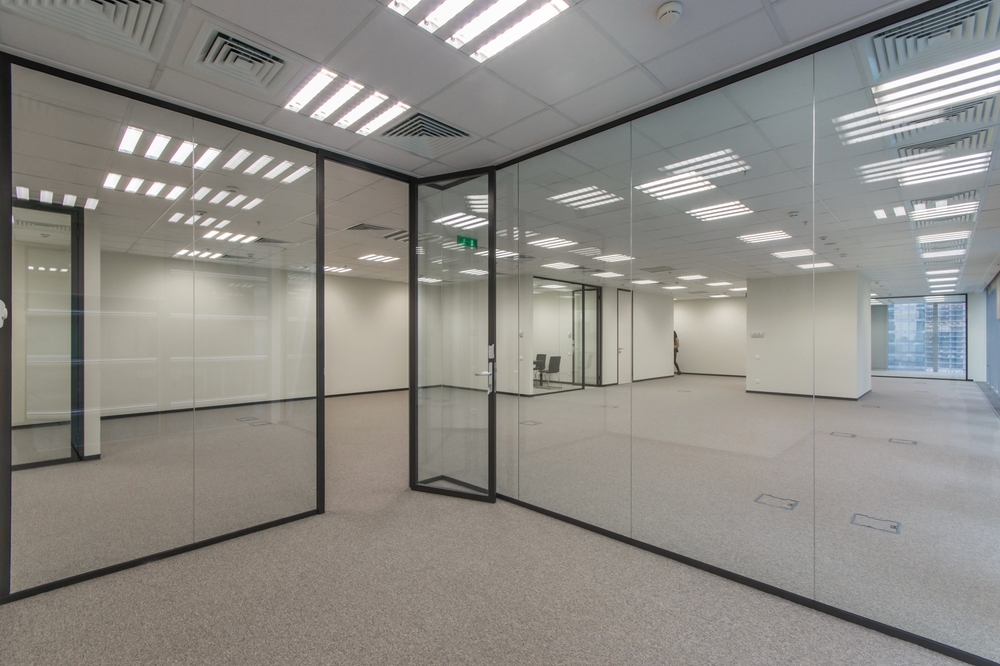
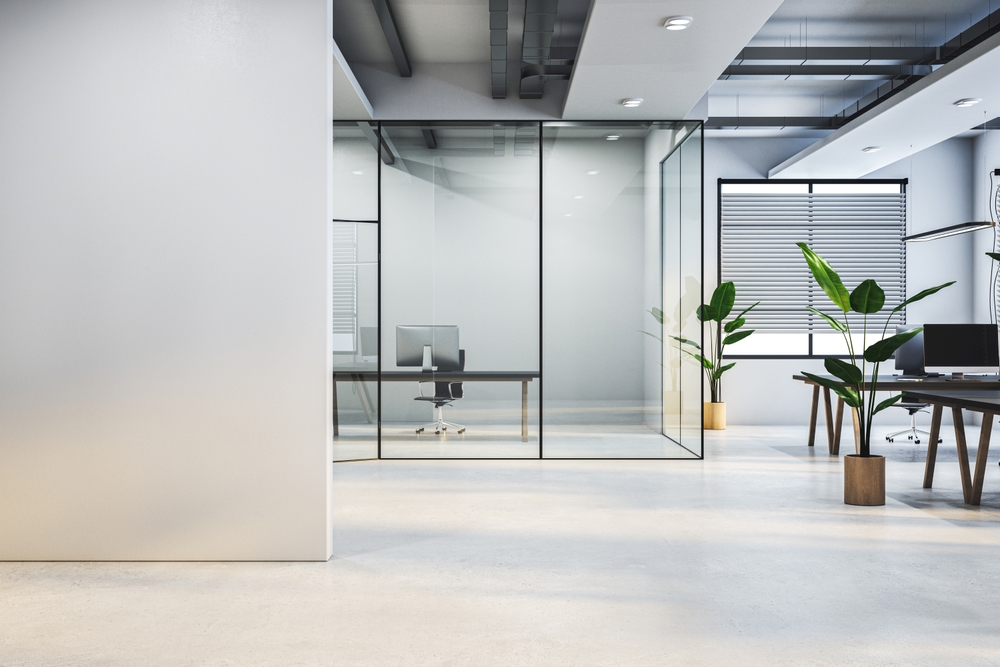
Companies across Dallas and Fort Worth today are turning to modern design solutions that align with their need for flexibility, style, and functionality. Among the most popular trends reshaping interior office environments is the strategic use of glass office partitions. Whether it’s an open-concept startup in Frisco or a corporate headquarters in Carrollton, TX, glass walls offer a sleek, professional look while supporting real operational demands—like sound control, privacy, and rapid build-outs.
This evolution in commercial interiors is driven by more than aesthetics. The need for noise reduction, adaptable layouts, and faster occupancy timelines is influencing decision-making across the Dallas-Fort Worth (DFW) metroplex. Companies want to move quickly, yet they cannot sacrifice the acoustic comfort or privacy their employees require. Enter glass solutions that don’t just look good but actually perform well.
Acoustic Solutions with Laminated Glass Walls in Plano
One of the most common concerns when choosing glass office partitions is sound control. Glass, while visually stunning, is naturally reflective and prone to transmitting sound. This can become a serious issue in high-functioning workplaces, especially in sales or executive environments where privacy and concentration are key. In cities like Plano, where tech and professional services firms continue to grow rapidly, acoustic laminated glass walls are becoming a top choice.
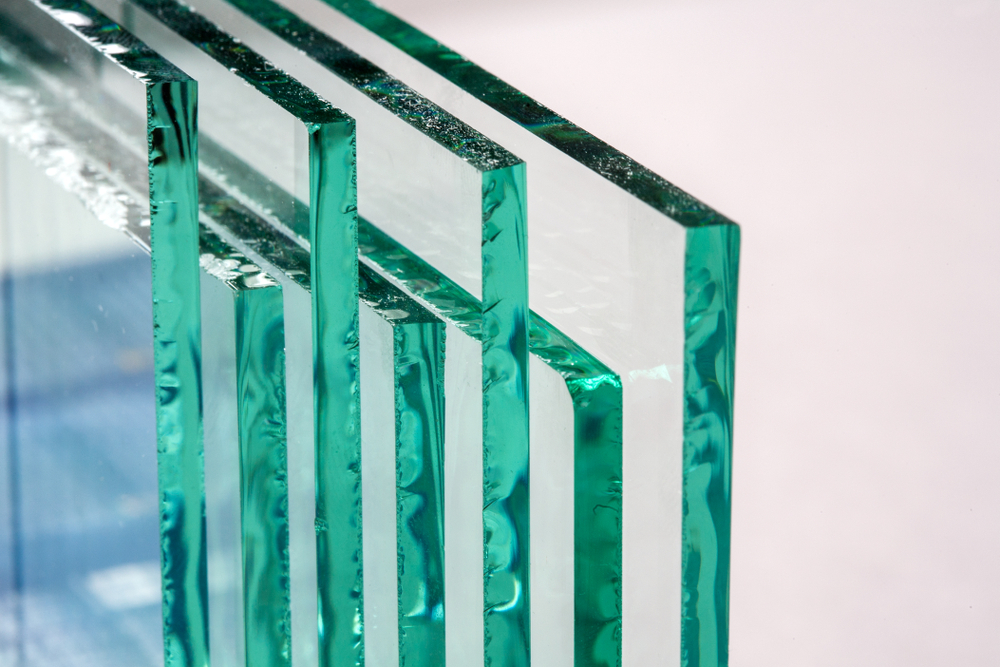
Unlike standard monolithic glass, laminated glass incorporates layers of material that dampen sound transmission. The acoustic interlayers effectively absorb and reduce sound vibrations, creating a quieter and more focused environment. This is particularly important in spaces where confidentiality is non-negotiable, such as legal offices, financial institutions, and executive suites.
In Plano, offices are moving away from opaque drywall configurations and instead installing glass office partitions that allow for both sound insulation and an open, inviting atmosphere. Acoustic laminated glass strikes that balance, making it ideal for conference rooms, managerial offices, and collaborative areas that require a level of discretion without sacrificing visibility.
Maintaining Privacy with Office Glass Doors in Frisco
Another major consideration for companies using glass in their interiors is how to create visual privacy. Open workspaces are great for collaboration, but they often leave employees feeling exposed. In Frisco, a booming area for startups and creative industries, businesses are addressing this challenge by installing office glass doors with privacy features.
These doors typically include frosted films, gradient patterns, or switchable smart glass technology that can turn opaque at the touch of a button. For example, a marketing agency might use clear glass throughout the space to promote transparency and light flow, but incorporate frosted door panels on private offices or meeting rooms to signal boundaries and create personal zones.
Glass doors that offer privacy are also essential in HR departments, interview rooms, or any space where sensitive conversations occur. In Frisco’s dynamic business environment, these solutions are increasingly integrated into design schemes from day one. This not only improves the workplace experience but also ensures compliance with confidentiality protocols across departments.
Speed to Occupancy with Demountable Glass Partitions in Carrollton, TX
Time is money, especially when you’re expanding or relocating. Traditional construction methods involving metal framing, drywall, and paint are slow, messy, and inflexible. For companies in Carrollton, TX, a city known for its logistics hubs and manufacturing facilities, demountable glass partitions are emerging as the go-to solution for fast, clean installations.
Demountable systems allow business owners to set up or reconfigure offices rapidly without the long downtime and costs associated with permanent construction. These modular walls arrive prefabricated and can often be installed in a matter of days instead of weeks. This is particularly advantageous for businesses looking to reduce the period between lease signing and move-in.
Moreover, demountable systems often qualify as furniture, which may have tax advantages when compared to traditional build-outs. In Carrollton, where industrial spaces are being converted to hybrid offices and showrooms, companies are utilizing these systems not only to speed up occupancy but to maintain long-term flexibility as their workforce and space needs evolve.
Conference Room Glass in McKinney: Design and Functionality Combined
Few spaces in an office require the same level of attention as the conference room. It’s where deals are made, ideas are shared, and clients are impressed. In McKinney, a city attracting a blend of small businesses and national brands, companies are elevating their interiors with conference room glass that’s both impressive and functional.
These glass-walled rooms allow daylight to flood deep into the floorplan, creating an open and energized feel throughout the space. But it’s not just about looks. McKinney businesses are choosing glass with integrated blinds or privacy films to support confidential meetings without disrupting the open design.
Technology is often embedded into these glass systems as well. Conference room glass can be outfitted with writable surfaces, embedded monitors, or even sound masking devices. This flexibility is key for a fast-growing company that needs to meet both internal collaboration demands and client-facing professionalism. And unlike traditional drywall boardrooms, glass-walled conference rooms make a statement of modernity and transparency.
How DFW Companies Are Using Glass Office Partitions for Growth
Across Dallas, Fort Worth, and their surrounding suburbs, companies of all sizes are redefining how they use their square footage. Glass office partitions are being integrated into both new builds and retrofits, allowing businesses to create dynamic environments that promote wellness, collaboration, and operational efficiency.
What sets this trend apart is its adaptability. Whether it’s a Plano law firm demanding top-tier acoustic laminated glass walls, a Frisco creative agency seeking office glass doors with privacy, or a Carrollton logistics company needing quick setup via demountable glass partitions, each solution is tailored to local business needs. Meanwhile, in McKinney, elegant yet tech-savvy conference room glass completes the picture by blending form with function.
One of the greatest advantages glass offers is the speed with which it can be implemented. Traditional build-outs are cumbersome, costly, and inflexible. By contrast, modular glass systems reduce timelines, minimize workplace disruption, and often eliminate the need for extensive permits or inspections. In a competitive region like DFW, this speed can make a critical difference in securing talent, launching operations, or impressing clients.
At the same time, these glass systems don’t compromise on the essentials. With innovations in acoustic technology, visual privacy, and modular design, glass office partitions today deliver high performance alongside sleek aesthetics. Businesses no longer have to choose between style and substance—they can have both.
Conclusion
The Dallas-Fort Worth metroplex is a thriving business ecosystem, and the physical spaces companies create play a key role in attracting talent, fostering innovation, and maintaining productivity. Glass office partitions offer a sophisticated, high-performance solution to some of the most pressing workplace challenges, from acoustic control and privacy to speed of occupancy.
From acoustic laminated glass walls in Plano to office glass doors with privacy in Frisco, and from demountable glass partitions in Carrollton, TX to stunning conference room glass in McKinney, the DFW region is embracing glass as a foundational element in workplace design. These systems provide more than transparency—they offer a tangible advantage in efficiency, flexibility, and professional image.
As more companies prioritize agility and experience in the built environment, glass office partitions are proving to be more than a design trend. They are a strategic asset for any forward-thinking business in the Dallas-Fort Worth area.
Need a Glass Company in Texas?
Reflection Glass is a premier glass company specializing in residential and commercial glass solutions. We offer an extensive range of services to enhance the beauty and functionality of any space. For residential projects, we provide high-quality shower doors in various styles and finishes, along with door collections that elevate the aesthetics of homes. Our glass hardware options perfectly complement your design choices, ensuring seamless integration. With customizable shower door glass, we bring luxury and personalization to your bathroom. In addition, we cater to commercial properties with interior glass solutions for partitions and dividers, as well as exterior glass needs, including storefront windows and glass facades. Contact us today to learn more about what we can do for you!
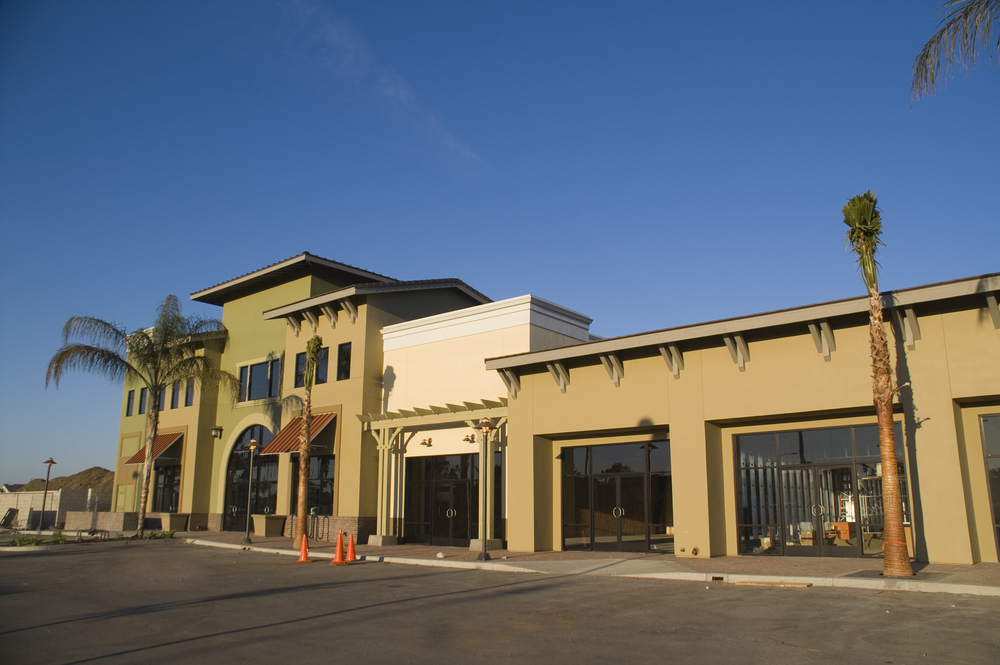
A storefront does much more than serve as the entrance to your business. It is often the first impression customers have when approaching your location, and it also plays an important role in safety, energy efficiency, and long-term maintenance. For business owners in Dallas and surrounding cities such as Carrollton, TX, selecting the right commercial storefront glass is a decision that balances durability, safety standards, and overall appearance. With so many options available, understanding what to look for ensures your investment pays off for years to come.
Understanding Durable Storefront Glass Options in Dallas
Durability is the cornerstone of any high-quality commercial storefront glass. Business owners in Dallas must account for the intense Texas sun, sudden weather changes, and the daily wear of heavy foot traffic. Durable storefront glass options in Dallas include tempered, laminated, and insulated glass. Each type is designed to withstand different levels of impact, thermal stress, and exposure to the elements.
Tempered glass, often required by building codes, goes through a heating and cooling process that strengthens it several times over compared to traditional glass. Laminated glass consists of layers bonded together with resin, which holds fragments in place if the glass breaks. Insulated glass units, which are made of multiple panes with air or gas in between, improve energy efficiency while adding strength. The right choice depends on whether your priority is weather resistance, energy savings, or security, but all of these options are widely available in Dallas and its nearby suburbs.
Durability is not only about break resistance but also about longevity. Business owners who select glass that resists scratching, discoloration, and seal failure reduce replacement costs and minimize disruption. The goal is to choose a glass type that endures both the environment and the demands of commercial use without losing clarity or structural integrity.
Meeting Tempered Glass Safety Standards in Texas
Safety is non-negotiable when it comes to commercial storefronts, especially in high-traffic areas. Tempered glass safety standards in Texas are regulated by both state and local building codes. Tempered glass is designed to break into small, blunt fragments rather than sharp shards, significantly reducing the risk of injury in the event of an accident or vandalism. This feature is particularly important for businesses that serve families, such as retail shops, restaurants, and service centers.
Beyond tempered glass, laminated options add another layer of safety because even if broken, the glass remains in place due to its inner resin layer. This prevents large openings in your storefront that could invite intruders or cause hazards. Compliance with tempered glass safety standards in Texas ensures that your business avoids penalties during inspections and also reassures your customers that you take their well-being seriously.
Storefront accidents, such as slips or collisions, are more common than many business owners anticipate. By meeting these safety standards, you not only protect your customers and employees but also reduce liability risks. Professional glass storefront installers in Carrollton and Dallas are well-versed in local requirements and can help you select glass that meets or exceeds safety codes.
Choosing Glass Storefront Installers in Carrollton
Selecting the right installer is just as important as choosing the type of glass. Even the most durable product can fail if it is not properly installed. Glass storefront installers in Carrollton bring local expertise to the table, ensuring your glass is fitted securely and sealed against air leaks and moisture intrusion. Local installers are familiar with Dallas-area building regulations and weather challenges, making them a reliable choice for long-term performance.
An experienced installer can also recommend customized solutions. For instance, if your storefront receives direct sunlight for most of the day, they might suggest tinted or insulated glass to reduce glare and lower cooling costs. If your business is located in a high-traffic retail area, they may advise laminated glass to boost both safety and sound insulation. The value of hiring a professional installer lies in their ability to assess your specific needs and tailor the project accordingly.
Working with a trusted installer in Carrollton also means having access to ongoing maintenance and emergency repair services. A good installer provides warranties and support long after the installation is complete, which helps protect your investment and maintain the professional appearance of your business.
The Benefits of Low Maintenance Commercial Glass
For business owners, time spent on upkeep is time taken away from serving customers and growing revenue. This is why low maintenance commercial glass has become a popular choice in Dallas and Carrollton. Advanced coatings and finishes applied during manufacturing can make storefront glass resistant to dirt, fingerprints, water spots, and even graffiti. These treatments keep the glass clear and professional-looking with minimal effort.
Low maintenance commercial glass is particularly valuable in areas prone to dust, humidity, or pollution, as it reduces the frequency of cleaning. Some glass options are designed with hydrophobic properties that allow rain to wash away dirt naturally, while others have protective layers that resist scratching from cleaning tools. Investing in these options can significantly lower the long-term costs of upkeep, especially for large storefronts that require frequent cleaning to maintain curb appeal.
Appearance is not only about aesthetics but also about brand reputation. A clean, clear storefront signals professionalism and care, while smudges or discoloration can drive customers away. Low maintenance options make it easier to keep your storefront looking inviting, ensuring your business stands out in a competitive market.
Balancing Safety, Durability, and Appearance in Carrollton and Dallas
When choosing commercial storefront glass, it is important to strike the right balance among safety, durability, and appearance. Durable storefront glass options in Dallas provide resilience against weather and time, tempered glass safety standards in Texas ensure compliance and protection, and low maintenance commercial glass supports consistent visual appeal.
Appearance plays a major role in customer attraction. Clear, bright glass allows passersby to see your products or interiors, creating a welcoming environment. Some business owners in Carrollton prefer tinted or frosted options to add privacy while still allowing natural light inside. Others choose decorative finishes to align the storefront with their branding.
Ultimately, the decision should not be made in isolation. Collaborating with professional glass storefront installers in Carrollton helps business owners weigh the pros and cons of each option and make an informed choice. By considering both immediate needs and long-term value, you ensure that your storefront becomes an asset rather than a recurring expense.
Conclusion
The storefront of your business in Dallas or Carrollton, TX, is more than just an entryway. It is a vital combination of durability, safety, and appearance. Investing in durable storefront glass options ensures your property withstands the challenges of Texas weather and daily use. Meeting tempered glass safety standards in Texas safeguards your customers and employees while maintaining compliance with local regulations. Partnering with skilled glass storefront installers in Carrollton guarantees proper installation and reliable service. Choosing low maintenance commercial glass helps keep your storefront looking clean and inviting with minimal effort.
By carefully balancing all these factors, you create a storefront that is not only functional but also reflects your brand’s professionalism and attention to detail. The right glass transforms your business front into a lasting asset, attracting customers, reducing costs, and providing peace of mind. For business owners in the Dallas area, making the right decision today sets the stage for success tomorrow.
Need a Glass Company in Texas?
Reflection Glass is a premier glass company specializing in residential and commercial glass solutions. We offer an extensive range of services to enhance the beauty and functionality of any space. For residential projects, we provide high-quality shower doors in various styles and finishes, along with door collections that elevate the aesthetics of homes. Our glass hardware options perfectly complement your design choices, ensuring seamless integration. With customizable shower door glass, we bring luxury and personalization to your bathroom. In addition, we cater to commercial properties with interior glass solutions for partitions and dividers, as well as exterior glass needs, including storefront windows and glass facades. Contact us today to learn more about what we can do for you!
Choosing the right type of glass for your commercial building is more than just an aesthetic decision—it’s a critical factor in safety, security, durability, and compliance with building codes. In the world of commercial glass options, two choices stand out: tempered and laminated glass. Each brings distinct advantages and limitations, and understanding these can help property owners and developers make informed decisions.
Understanding Tempered Glass: Strength and Safety in Mind
Tempered glass, often referred to as toughened glass, undergoes a specialized heat treatment process that significantly strengthens it compared to standard annealed glass. The process involves heating the glass to over 600°C and then rapidly cooling it. This thermal process changes the internal structure of the glass, making it four to five times stronger than untreated glass of the same thickness.
One of the most notable safety features of tempered glass is how it breaks. Instead of shattering into large, dangerous shards, tempered glass fractures into small, blunt pieces that reduce the risk of serious injury. This property makes it an ideal choice for areas with high foot traffic, such as storefronts, glass doors, and large display windows.
In terms of performance, tempered glass is highly resistant to thermal stress and mechanical impact. It can withstand sudden temperature changes without cracking, which is especially important in regions with extreme weather conditions. From a design perspective, tempered glass offers versatility, as it can be clear, frosted, tinted, or even patterned to match your brand or aesthetic goals.
However, tempered glass does have limitations. Once it’s manufactured, it cannot be cut, drilled, or altered in size or shape. Any modifications must be completed before the tempering process. Furthermore, while it is stronger, when tempered glass breaks, the entire pane shatters, necessitating complete replacement. These aspects should be factored into your storefront glass options evaluation.
Laminated Glass: Layered Protection for Security and Noise Reduction
Laminated glass offers a different kind of strength. Composed of two or more sheets of glass bonded together with an interlayer—commonly polyvinyl butyral (PVB) or ethylene-vinyl acetate (EVA)—laminated glass maintains its structural integrity even when broken. If struck, the glass may crack, but the interlayer holds the shards in place, preventing them from falling out and reducing the risk of injury or forced entry.
Security is where laminated glass truly excels. Due to its ability to stay intact after impact, laminated glass acts as a deterrent against break-ins and vandalism. It takes repeated, sustained efforts to penetrate laminated glass, which provides valuable time for emergency response or intervention. This characteristic makes it a preferred choice for banks, jewelry stores, and high-end retail storefronts where added security is paramount.
In addition to security, laminated glass offers superior sound insulation. The interlayer dampens noise, making it ideal for commercial buildings located in busy urban centers or near airports. It also blocks nearly 99% of UV rays, helping to protect interiors from fading and minimizing heat gain, which can lead to energy savings.
While laminated glass brings many benefits, it generally carries a higher upfront cost compared to tempered glass. It is also heavier, which may impact structural support requirements. Maintenance considerations include the potential for interlayer discoloration or delamination over time if not properly sealed during installation. Therefore, understanding your building’s specific needs is crucial when evaluating tempered vs laminated glass.
Comparing Strength, Safety, and Security Features
Both tempered and laminated glass are classified as safety glass under building codes, but they fulfill safety requirements in different ways. Tempered glass prioritizes impact resistance and controlled breakage, making it ideal for general storefront applications where accidental impacts are a concern. Its strength reduces the likelihood of breakage, and when breakage occurs, it minimizes injury risks.
Laminated glass, on the other hand, offers sustained barrier protection. Even when shattered, it resists penetration, making it superior for applications where forced entry or blast resistance is a concern. If security is a primary objective—such as in luxury retail, financial institutions, or areas prone to storms and hurricanes—laminated glass is often the preferred choice.
From a safety standpoint, laminated glass holds the edge in scenarios involving overhead glazing or areas where falling glass would pose significant risks, as the interlayer prevents fragments from falling away. It also meets more stringent requirements for hurricane-resistant and ballistic-resistant applications.
When evaluating storefront glass options, property owners should consider not just the nature of potential hazards (accidental impact vs. intentional intrusion) but also how long the glass needs to hold up after initial breakage. For high-traffic yet lower-risk environments, tempered glass may suffice. For high-security environments, laminated glass provides long-term protection even post-impact.
Cost, Installation, and Maintenance Considerations
Cost is often a determining factor when choosing between tempered and laminated glass. Tempered glass is generally less expensive in terms of both material and installation. Because it is lighter, installation can be quicker and less labor-intensive. Maintenance is straightforward; tempered glass requires typical cleaning with standard glass cleaners and minimal ongoing care.
Laminated glass, by contrast, typically demands a higher investment. The production process is more complex, and the addition of interlayers contributes to its higher price point. Installation can be more involved due to the added weight and the need for robust framing systems to support the load.
However, this higher initial investment can yield long-term benefits. Laminated glass can reduce insurance premiums due to its enhanced security features. Its UV-blocking and noise-reduction properties can improve occupant comfort and energy efficiency, potentially offsetting upfront costs over time.
Maintenance for laminated glass includes monitoring for signs of delamination, especially at exposed edges. Proper sealing and installation techniques can mitigate this risk. If the glass does crack, replacement may not be immediately necessary, as the interlayer maintains the barrier, allowing for repairs or replacement to be scheduled conveniently.
Ultimately, your choice between tempered vs laminated glass should weigh both short-term costs and long-term performance benefits. An assessment of the building’s location, potential threats, aesthetic goals, and budget will help guide the decision.
Making the Right Choice for Your Commercial Building
The debate between tempered vs laminated glass for commercial storefronts is not a matter of one being universally better than the other. Rather, it’s about matching the specific needs of your property with the unique benefits each option provides.
Tempered glass excels in environments where strength against accidental impact and thermal stress is critical, and where rapid replacement is acceptable in the event of breakage. It is often favored for general retail environments, office buildings, and locations where cost efficiency is a priority without compromising basic safety standards.
Laminated glass, by contrast, shines in applications where ongoing security, noise reduction, and energy efficiency are key considerations. Its resilience against forced entry and ability to stay intact after damage makes it ideal for high-risk areas or businesses that house valuable merchandise.
Consulting with a qualified glazing contractor or architectural consultant can help ensure your selection complies with local building codes and performance expectations. Sometimes, the best solution involves a combination of both—using tempered glass in low-risk areas and laminated glass in high-security zones.
Conclusion
In the competitive market of storefront glass options, understanding the distinctions between tempered and laminated glass empowers you to create commercial spaces that are not only visually impressive but also secure, efficient, and resilient. Making an informed choice today lays the foundation for safer, more functional, and cost-effective spaces tomorrow.
Need a Glass Company in Texas?
Reflection Glass is a premier glass company specializing in residential and commercial glass solutions. We offer an extensive range of services to enhance the beauty and functionality of any space. For residential projects, we provide high-quality shower doors in various styles and finishes, along with door collections that elevate the aesthetics of homes. Our glass hardware options perfectly complement your design choices, ensuring seamless integration. With customizable shower door glass, we bring luxury and personalization to your bathroom. In addition, we cater to commercial properties with interior glass solutions for partitions and dividers, as well as exterior glass needs, including storefront windows and glass facades. Contact us today to learn more about what we can do for you!
In recent years, the design of commercial spaces has been significantly influenced by the innovative use of glass in both facades and interior designs. Glass, with its ability to seamlessly blend aesthetics and functionality, has become one of the most sought-after materials for commercial buildings. Whether it is a high-rise office building or a retail space, the use of glass in both the exterior and interior of commercial buildings has transformed the way we experience these spaces. The evolution of commercial glass design reflects not only a technological advancement but also a shift in architectural thinking toward creating open, airy, and sustainable environments. In this blog, we’ll explore some of the latest design trends in commercial glass facades and interiors that are revolutionizing the way businesses present themselves and engage with their customers and employees.
The Rise of Transparency and Open Spaces
One of the defining trends in commercial glass facades is the push for transparency. The traditional use of opaque materials to conceal building interiors is being replaced by expansive glass facades that allow natural light to flood the interior. This trend is particularly prominent in office buildings, retail spaces, and other commercial properties where fostering an open and inviting atmosphere is key. The transparency provided by large glass windows and facades enables occupants to feel more connected with the external environment, enhancing the overall user experience.
Moreover, open-plan interiors, often associated with modern office designs, are enhanced by the use of glass partitioning. These glass walls and partitions create a sense of openness without sacrificing privacy. Whether used in meeting rooms, executive offices, or collaborative spaces, glass partitions allow light to flow through while still providing a degree of separation between areas. This approach not only makes the space feel larger but also promotes a culture of openness and communication within a business.
From a design perspective, transparency in both facades and interiors is also a way to blend the inside and outside of the building, making the surrounding landscape a part of the overall aesthetic. This trend aligns with the growing emphasis on biophilic design, which aims to create spaces that foster a connection with nature. Large glass windows that offer unobstructed views of parks, gardens, or cityscapes are becoming more common as businesses look to integrate nature into the workplace environment.
Energy Efficiency and Sustainability Through Glass
As the world becomes more environmentally conscious, energy-efficient designs are at the forefront of commercial construction. Glass, with its varying degrees of insulation properties, plays a crucial role in making buildings more energy-efficient. Today’s glass facades are designed to minimize heat gain during the summer and retain warmth in the winter. The latest advancements in glazing technology have introduced products like low-emissivity (Low-E) glass, which reduces the amount of heat transferred through windows while still allowing natural light to penetrate the building.
For commercial buildings, energy efficiency is not just a buzzword—it’s a key factor in reducing operating costs and enhancing sustainability efforts. Many residential & commercial glass companies in Carrollton, TX, have started to integrate energy-efficient glass into their projects, ensuring that their clients’ buildings are not only visually appealing but also cost-effective in the long run. The integration of solar control glass and double or triple-glazed windows has proven to be effective in reducing the need for artificial lighting and air conditioning, resulting in lower energy consumption.
Additionally, the use of sustainable materials in conjunction with advanced glazing techniques has also led to the development of “green” commercial buildings. Green building certifications such as LEED (Leadership in Energy and Environmental Design) reward the use of energy-efficient and environmentally friendly materials. With the increasing demand for sustainable construction, the incorporation of energy-efficient glass facades is becoming more prevalent in commercial buildings worldwide.
Smart Glass Technology and Automation
As technology continues to evolve, the integration of smart glass into commercial building designs has become one of the most exciting trends in the industry. Smart glass, which can change its transparency based on external factors such as sunlight or temperature, offers a high level of control over natural light and heat entering a building. This is achieved through the use of electrochromic glass, which allows users to adjust the level of tint on windows via a remote control or an automated system.
The use of smart glass in commercial buildings can significantly reduce the reliance on artificial lighting and heating. For example, windows can darken automatically when the sun’s rays are at their strongest, reducing glare and heat gain while maintaining a comfortable indoor temperature. In the winter, the glass can adjust to maximize heat retention, reducing the need for heating systems. These energy-saving features make smart glass an attractive option for modern commercial spaces, where sustainability and cost-efficiency are key priorities.
In addition to energy savings, smart glass also offers enhanced privacy and security. In offices, conference rooms, and retail spaces, it’s possible to adjust the level of transparency on glass walls or partitions, providing occupants with the flexibility to create more private or more open environments as needed. This adaptability allows businesses to customize the atmosphere of their spaces to meet the demands of different activities or moments throughout the day. As smart technology becomes more accessible, we can expect even more innovative uses of smart glass in commercial designs, pushing the boundaries of what is possible in both architecture and interior design.
The Aesthetic Appeal of Minimalism and Sleek Designs
Another important trend that has emerged in commercial glass facades and interiors is the minimalist design philosophy. Minimalism is all about stripping down to the essentials, creating clean, simple spaces that emphasize functionality and beauty. This trend is evident in the use of sleek glass facades with minimal framing, allowing the glass to take center stage. The result is an elegant, uncluttered exterior that offers uninterrupted views of the surrounding environment.
Inside commercial spaces, the minimalist trend continues with the use of glass walls, partitions, and furniture that contribute to a sense of openness and simplicity. Instead of bulky partitions or heavy curtains, glass panels are used to create fluid transitions between spaces. This design approach allows for an airy, spacious feel, which is particularly valuable in urban commercial buildings where space may be limited. The use of frameless glass doors and windows further enhances the minimalist aesthetic by reducing visual clutter and allowing the architectural design to shine through.
Minimalism in commercial interiors is also about focusing on quality over quantity. The choice of materials, such as glass, stone, and wood, is made with a clear intention to evoke a sense of calm and sophistication. In retail spaces, this design philosophy encourages the products or services being offered to be the focal point, with the glass elements acting as a subtle backdrop that enhances the overall experience.
The Future of Glass in Commercial Design
As technology advances and sustainability continues to be a priority, the future of glass in commercial facades and interiors looks incredibly promising. We can expect even more innovative applications of glass, such as dynamic facades that respond to weather conditions, improved insulation technologies, and the integration of augmented reality into architectural designs. Glass will continue to play a pivotal role in creating environments that are not only functional but also aesthetically pleasing and sustainable.
In the near future, it’s likely that we’ll see more commercial buildings using advanced glass solutions to create smart, adaptable environments. The trend toward biophilic design, which focuses on connecting people with nature, will also encourage the use of glass to provide natural light and unobstructed views of the outdoors. Additionally, the push for green and sustainable construction will further solidify the role of energy-efficient glass in the architecture of tomorrow.
Conclusion
Ultimately, the design trends in commercial glass facades and interiors reflect a broader shift toward more sustainable, innovative, and visually compelling buildings. By embracing the potential of glass, architects and designers are shaping a new era of commercial spaces that are not only functional but also forward-thinking and in tune with the needs of the modern world. Whether you’re a developer, architect, or business owner, understanding these trends and incorporating them into your designs will help you stay ahead of the curve and create spaces that inspire and engage.
Need a Glass Company in Texas?
Reflection Glass is a premier glass company specializing in residential and commercial glass solutions. We offer an extensive range of services to enhance the beauty and functionality of any space. For residential projects, we provide high-quality shower doors in various styles and finishes, along with door collections that elevate the aesthetics of homes. Our glass hardware options perfectly complement your design choices, ensuring seamless integration. With customizable shower door glass, we bring luxury and personalization to your bathroom. In addition, we cater to commercial properties with interior glass solutions for partitions and dividers, as well as exterior glass needs, including storefront windows and glass facades. Contact us today to learn more about what we can do for you!
Renovating an office space can be an exciting yet challenging project. Whether you’re revamping a commercial building or upgrading a residential office area, balancing functionality with cost-effectiveness is key. One material that has steadily gained popularity for its cost-effective advantages in office renovations is glass. Not only does glass provide a sleek, modern look, but it also offers several practical benefits that can help reduce overall renovation costs while enhancing the office environment. This blog will explore the many reasons why using glass in office renovations is a smart, cost-effective choice.
Enhancing Natural Light and Reducing Energy Costs
One of the most significant advantages of using glass in office renovations is its ability to maximize natural light. Large glass windows, glass walls, and partitions can allow natural sunlight to flood into the space, reducing the need for artificial lighting. Natural light has been proven to improve employee productivity, mood, and overall well-being. Furthermore, by relying on natural light for a larger portion of the day, office buildings can significantly cut down on energy costs. Reduced reliance on artificial lighting translates into lower electricity bills, which adds to the overall cost-effectiveness of using glass in renovations.
Additionally, modern glass products come with energy-efficient coatings and treatments that help insulate against heat loss during the colder months and block excess heat during the summer. These energy-efficient glass solutions can help maintain a comfortable indoor temperature year-round, further reducing the need for heating and cooling systems to work overtime. By investing in high-performance glass, companies can achieve long-term energy savings and reduce their carbon footprint.
Creating an Open, Spacious Environment
A major concern in office spaces is often the need for a design that is both open and functional. Glass offers a perfect solution to this dilemma. Glass partitions, walls, and doors can divide the space while maintaining an open, airy feel. Unlike traditional cubicle walls or solid partitions, glass allows employees and visitors to feel connected to the broader office environment. This open design enhances collaboration and communication among teams and reduces the feeling of being boxed in, which can be common in more traditional office layouts.
The use of glass also helps create a more visually expansive space, especially in smaller offices. The transparency of glass allows for continuous sightlines across the office, making the space appear larger and more inviting. In a commercial setting, this can be an important factor, as businesses want to create an atmosphere that is welcoming and professional while still being efficient in its use of space. Glass helps achieve this balance without compromising functionality, offering a solution that is both modern and practical.
Flexibility in Design and Functionality
Another cost-effective advantage of using glass in office renovations is its versatility. Glass is incredibly flexible and can be used in a variety of ways to serve different functional purposes. For example, glass partitions can be used to create private workspaces while maintaining an open atmosphere. This can be particularly beneficial in commercial office buildings where privacy is important but an open office plan is still desired.
Glass can also be incorporated into office doors, staircases, balustrades, and even flooring, providing endless design possibilities. The ability to customize glass solutions to meet the specific needs of the office space ensures that businesses don’t have to settle for one-size-fits-all solutions. Whether you’re looking to enhance privacy, improve aesthetics, or create a functional separation of space, glass offers an adaptable solution that can be tailored to suit your vision.
The cost-effectiveness of using glass comes into play when considering the flexibility it offers in design. Instead of having to invest in multiple types of materials for different purposes, businesses can rely on glass to serve a variety of functions throughout the office. By reducing the need for additional construction or materials, glass can streamline the renovation process, saving both time and money.
Low Maintenance and Longevity
Maintenance is a critical aspect to consider in any office renovation. Traditional materials like wood, drywall, and fabric-covered partitions often require frequent maintenance and upkeep, such as repainting, refinishing, or replacing damaged parts. Glass, on the other hand, is incredibly durable and low-maintenance. High-quality glass used in office spaces is designed to withstand wear and tear, and its surface is resistant to stains, scratches, and fading. This makes it an excellent long-term investment for businesses seeking a solution that will not only enhance the office’s appearance but also require minimal ongoing care.
Moreover, modern glass can be treated with anti-fingerprint coatings or tints that make it easier to keep clean and looking new. A simple cleaning schedule can keep glass walls, windows, and partitions gleaming without the need for expensive repairs or replacements. By reducing maintenance costs, glass ultimately contributes to long-term savings, making it a cost-effective option for office renovations.
Strengthening the Brand Image and Aesthetic Appeal
In addition to its functional benefits, glass also plays a pivotal role in strengthening the overall brand image and aesthetic appeal of an office space. An office that incorporates glass into its design projects an image of modernity, professionalism, and transparency, all of which are essential qualities for businesses in today’s competitive market. Clients and visitors will be impressed by the sleek, sophisticated look of an office space that utilizes glass creatively, whether in the form of a stunning glass reception desk or contemporary glass walls that showcase the interior design.
The visual appeal of glass also creates a sense of openness, which is not only an aesthetic choice but also a business advantage. Clients and customers are more likely to trust a business that projects an image of transparency and openness, qualities that glass naturally embodies. Whether in a residential office or a commercial setting, the use of glass helps establish a business’s reputation as a forward-thinking, modern organization.
Moreover, glass provides an opportunity for custom design elements that can further elevate the aesthetic quality of the office. From etched glass partitions with custom logos to colored glass accents, the material can be used to reinforce a company’s branding while creating a visually cohesive space. This customization can result in an office renovation that not only meets practical needs but also supports the overall branding strategy of the business.
Conclusion
Incorporating glass into office renovations offers numerous cost-effective advantages, from reducing energy costs to enhancing the office environment’s aesthetics. Glass allows natural light to flood the space, creating a healthier and more productive atmosphere while cutting down on energy expenses. Its versatility enables businesses to design functional, open office layouts without compromising on privacy or design flexibility. Additionally, glass’s durability and low maintenance make it a long-lasting, cost-efficient investment, reducing the need for ongoing repairs or replacements. By using glass creatively, companies can not only improve the functionality of their office spaces but also strengthen their brand image and create a modern, appealing workplace.
For businesses looking to make the most of their office renovation budget, partnering with a reputable residential & commercial glass company in Carrollton, TX, can provide the expertise and solutions needed to bring these benefits to life. Investing in glass as a material for office renovations is a smart choice for those seeking both practical and aesthetic value.
Need a Glass Company in Texas?
Reflection Glass is a premier glass company specializing in residential and commercial glass solutions. We offer an extensive range of services to enhance the beauty and functionality of any space. For residential projects, we provide high-quality shower doors in various styles and finishes, along with door collections that elevate the aesthetics of homes. Our glass hardware options perfectly complement your design choices, ensuring seamless integration. With customizable shower door glass, we bring luxury and personalization to your bathroom. In addition, we cater to commercial properties with interior glass solutions for partitions and dividers, as well as exterior glass needs, including storefront windows and glass facades. Contact us today to learn more about what we can do for you!